

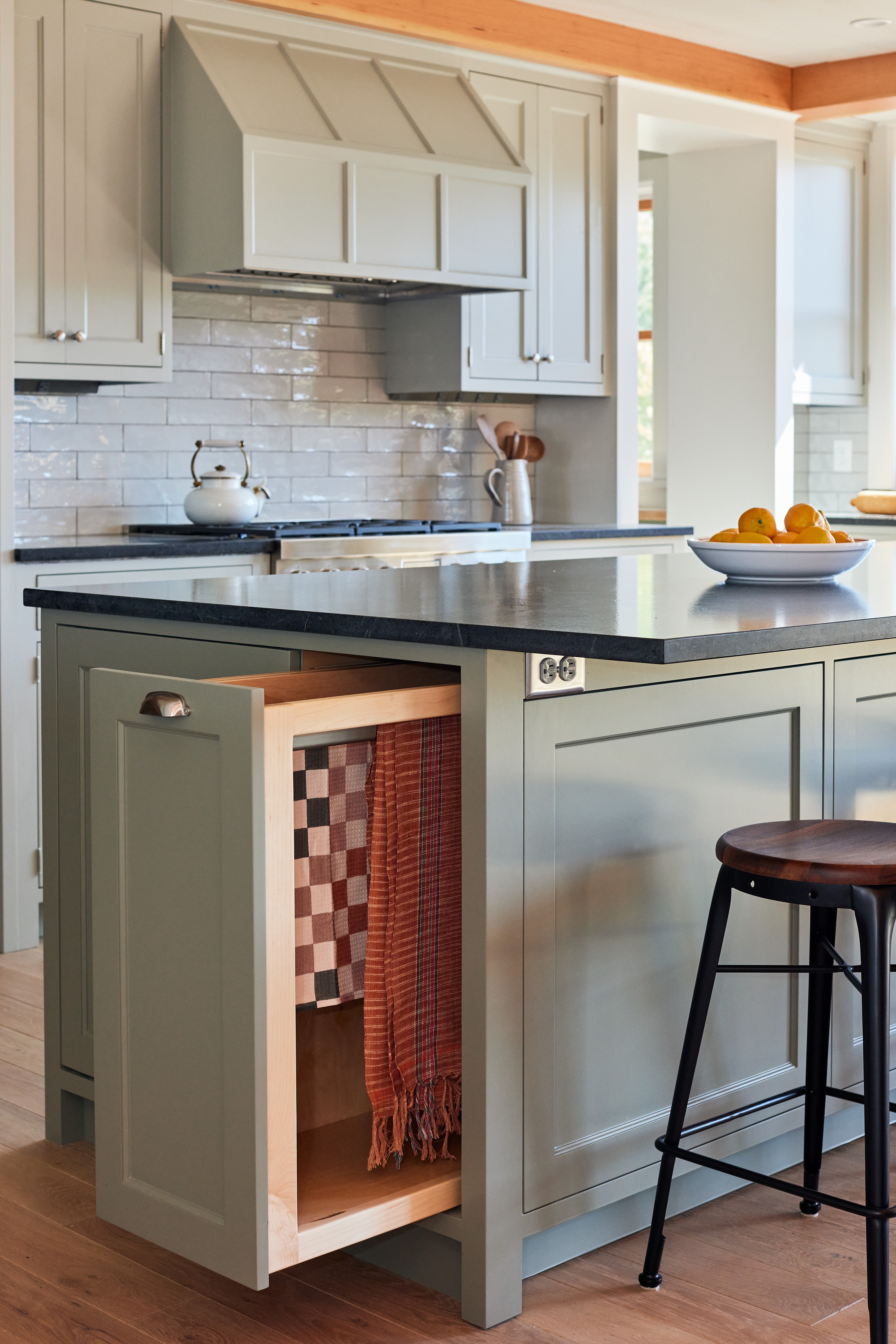

As architects, we are often inspired by what doesn’t draw attention first. There’s a quiet delight in discovering a hidden door tucked within paneling, or the smooth efficiency of a custom-designed cabinet that keeps everyday tools close, yet out of view. These discreet details do more than conceal clutter, they bring intention, calm, and even a little wonder into the rhythm of daily life.
In a world that often feels overstimulating, there’s something deeply comforting about design that invites stillness. Hidden spaces don’t just serve a functional purpose; they create an experience. They allow your home to breathe, to flow, and to reveal itself slowly.
Where Hidden Design Shines
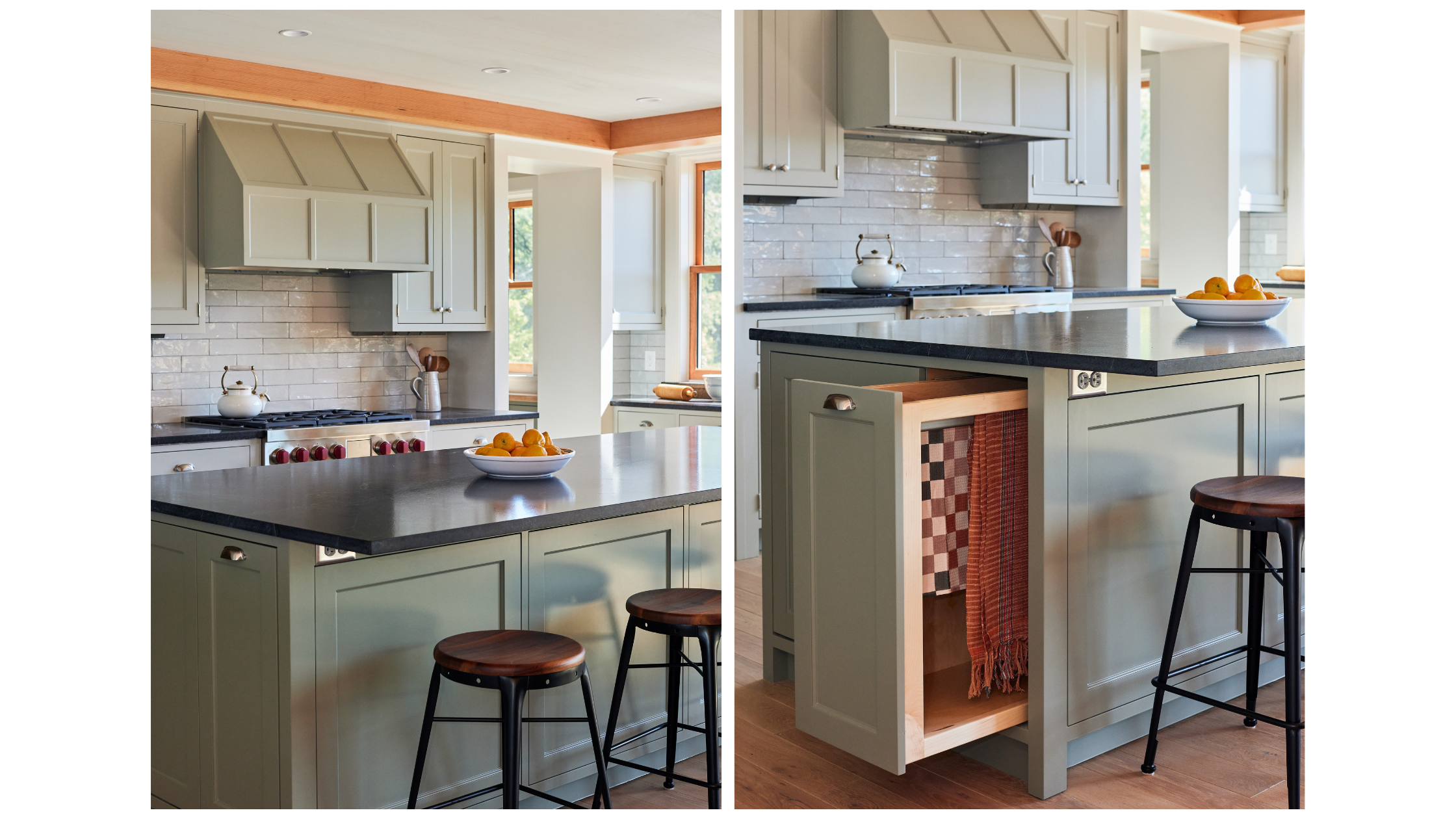
Custom Cabinets with Tucked-Away Tools
In the kitchen, appliance garages and other custom-designed storage places are a game-changer. Coffee makers, toasters, and mixers all have their place, without taking over the counter. Whether it’s a sliding tambour door, a slide-away flipper door, or a lift-up panel, the goal is simple: make daily life easier and surfaces cleaner.
Private Moments
Hidden doesn’t always mean mechanical. It might mean carving out a window seat behind a bookcase, or designing a small, serene nook off a hallway, a space meant to pause, reflect, and exhale.
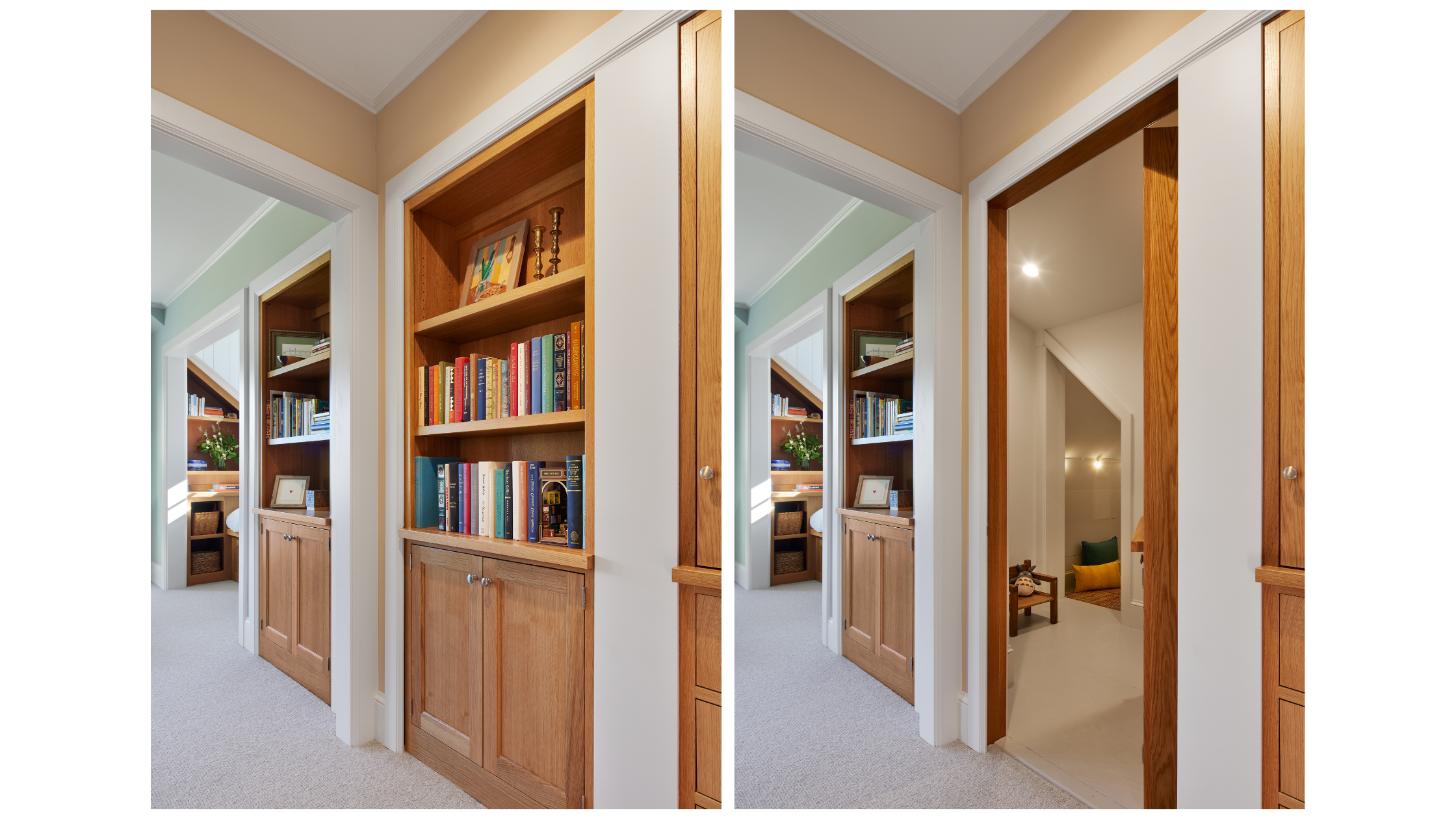
Disguised Doors
There’s something irresistible about a door you didn’t notice at first glance. Hidden doors, seamlessly integrated into paneling, bookshelves, or millwork, preserve architectural flow while offering privacy, surprise, and storytelling. Whether it leads to a powder room or a library, it becomes part of the home’s quiet narrative.
Murphy Beds & Built-In Guests
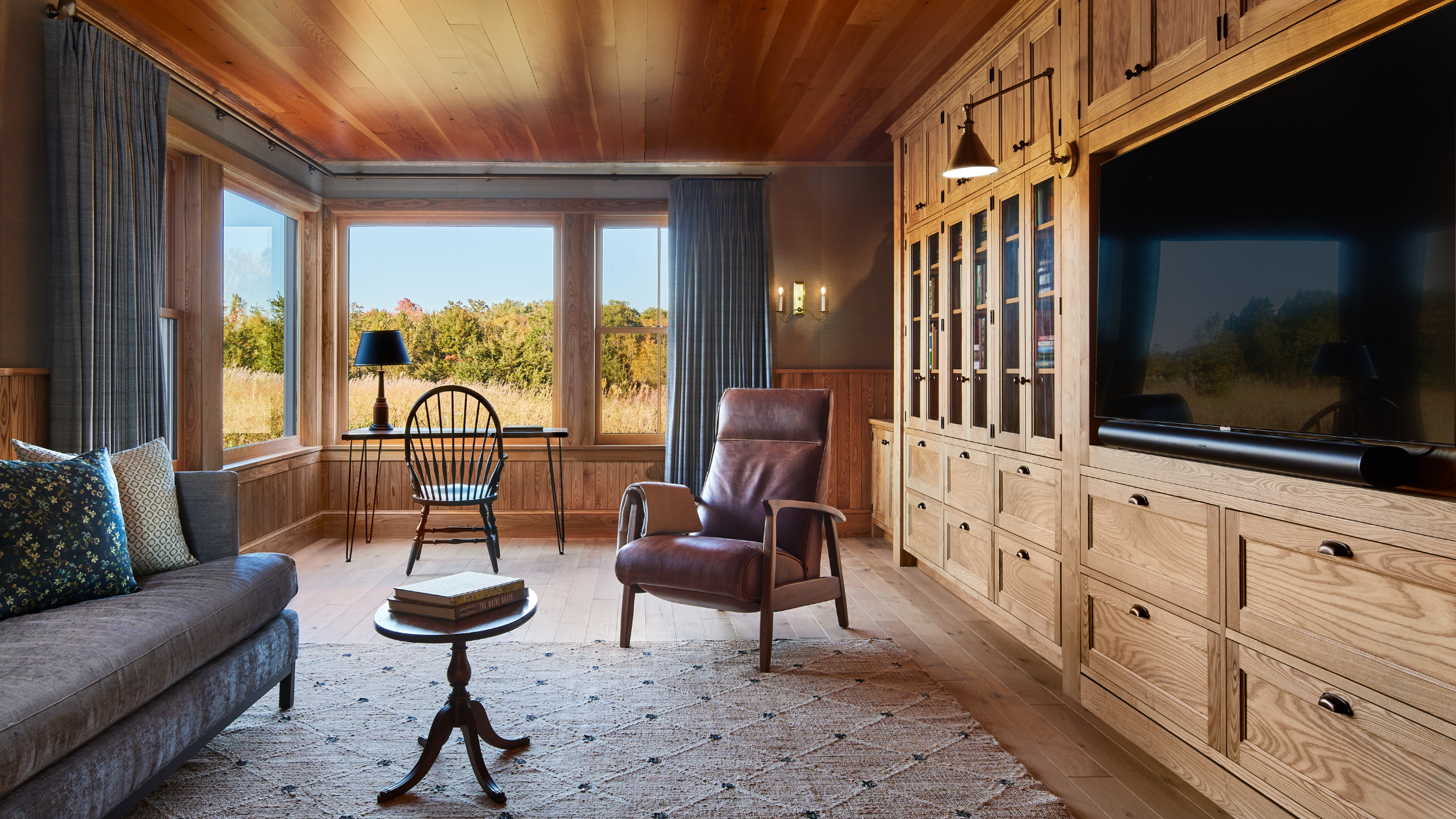
Welcoming guests shouldn’t require an entire extra bedroom. A beautifully integrated Murphy bed or wall-hung sleeping nook allows a space to function as an office, studio, or den most days, and transform only when needed.
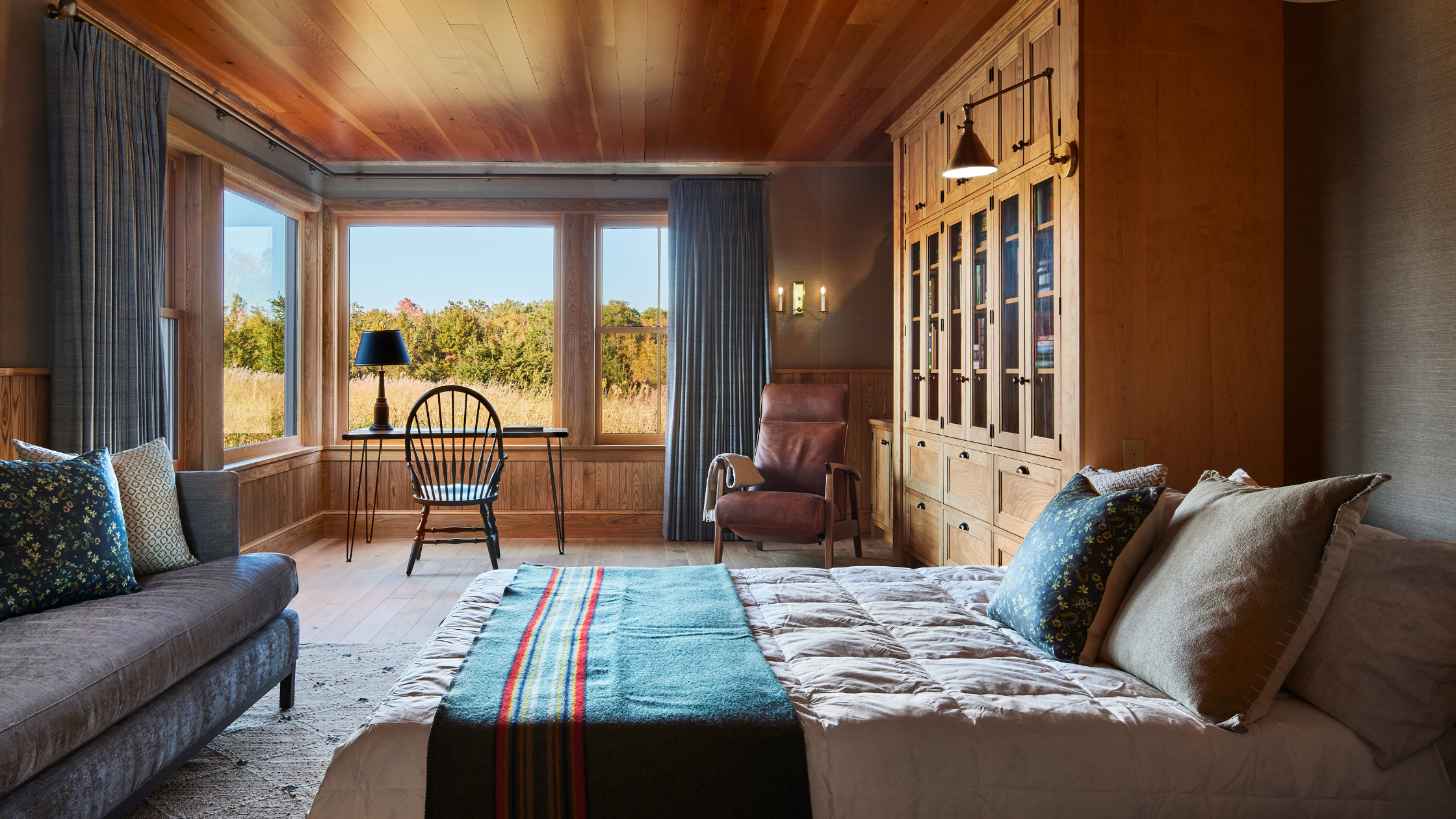
Respecting the Flow of Life
When we design hidden spaces, it’s about respecting the flow of life. These elements support a home that is both deeply functional and aesthetically quiet. The goal isn’t to impress, but to support, to be a backdrop for connection, clarity, and joy.
And perhaps most importantly, they remind us that not everything in a home needs to be on display. Some of the most meaningful moments in life are the ones that unfold quietly, out of sight, and our spaces can reflect that, too.